
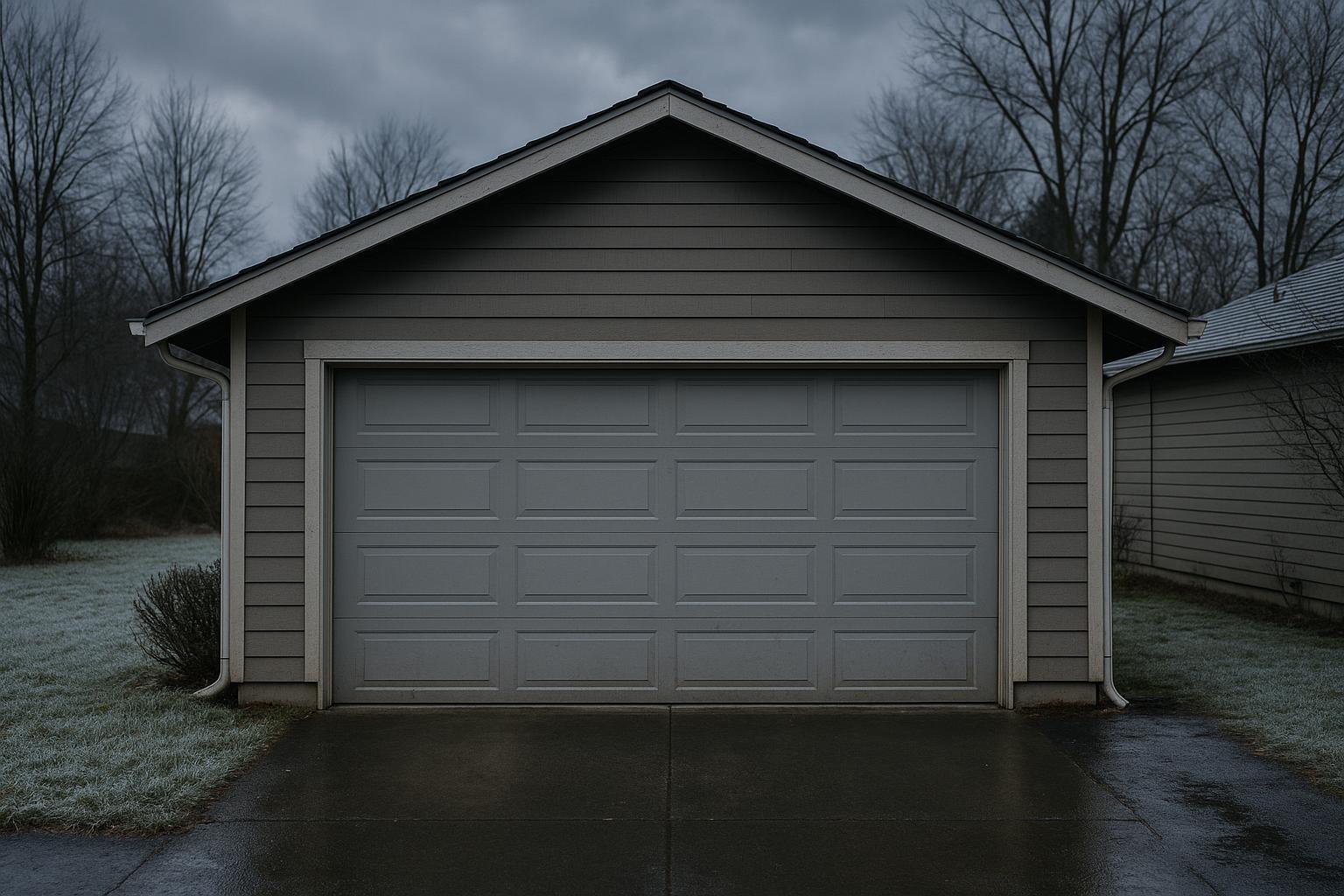
Winter Takes a Toll on Garage Doors in the Pacific Northwest
If you live in Marysville, you know our winters aren't exactly brutal compared to the Midwest — but they're cold enough, wet enough, and persistent enough to cause real problems for your garage door. Temperatures that hover around freezing, combined with the constant moisture we get from November through March, create the perfect conditions for garage door issues that catch homeowners off guard.
At Marysville Garage Door Pro, we see a noticeable spike in service calls every winter. Many of these problems could have been prevented with a little knowledge and some basic preparation. Here's what cold weather actually does to your garage door system and how you can stay ahead of it.
Metal Contracts — And Your Springs Feel It First
Garage door springs are under enormous tension every single day. They're the workhorses of the entire system, bearing the full weight of your door every time it opens and closes. When temperatures drop, the metal in those springs contracts slightly. That contraction makes the springs stiffer, less flexible, and more brittle.
This is why garage door spring failures are far more common in winter than in summer. A spring that was already nearing the end of its lifespan might snap on a cold January morning without any warning. You'll hear a loud bang from the garage, and suddenly your door won't open.
What You Can Do
- Listen for changes. If your door sounds louder, creakier, or more strained than usual when it opens, your springs may be struggling.
- Schedule a maintenance check before winter. A technician can inspect your springs for wear and estimate how much life they have left.
- Never try to replace springs yourself. The tension involved makes this one of the most dangerous DIY repairs a homeowner can attempt. Call a professional.
Your Garage Door Opener Works Harder in the Cold
Garage door openers are electric motors, and like all motors, they have to work harder when conditions aren't ideal. Cold temperatures thicken the lubricant on your door's moving parts, which increases friction. Your opener has to push through that extra resistance every time it cycles the door.
Over time, this added strain can burn out the motor, strip gears, or cause the opener to overheat and shut down. If your opener is already five or ten years old, winter can be the season that finally pushes it past its limits.
What You Can Do
- Use a garage-rated lubricant. Standard WD-40 isn't the best choice. Look for a silicone-based or lithium-based garage door lubricant that performs well in low temperatures. Apply it to the rollers, hinges, tracks, and springs.
- Clear any debris from the tracks. Leaves, dirt, and grime that built up during fall can add even more resistance.
- Pay attention to slow operation. If your door is opening or closing noticeably slower than it did in summer, that's a sign your opener is working too hard.
Weatherstripping Cracks and Fails
The rubber weatherstripping along the bottom and sides of your garage door is your first line of defense against cold air, rain, and pests. Unfortunately, rubber doesn't age gracefully in the Pacific Northwest climate. Years of temperature swings — from warm summer days to cold, wet winter nights — cause the rubber to crack, harden, and lose its seal.
When your weatherstripping fails, you'll notice cold drafts in the garage, water seeping in during heavy rain, and possibly even small rodents looking for a warm place to hide. For homeowners in Marysville who use their garage as a workshop, gym, or storage space, a broken seal can make the space miserable all winter long.
What You Can Do
- Inspect your weatherstripping visually. Look for cracks, gaps, or sections that have pulled away from the door.
- Check for daylight. Close your garage door during the day and look for light coming through around the edges or bottom. Light means air and water are getting in too.
- Replace it promptly. Weatherstripping is relatively inexpensive and makes a big difference in comfort and energy efficiency.
The Garage Door Can Freeze to the Ground
This one surprises a lot of people, but it happens more often than you'd think in Marysville and surrounding areas like Arlington and Lake Stevens. When temperatures dip below freezing overnight, moisture on the ground near the bottom of your garage door can freeze and essentially glue the door to the concrete.
If you hit your opener button and the door doesn't budge, your first instinct might be to keep pressing the button. Don't. Forcing the opener to fight a frozen seal can damage the opener motor, strip the gears, or even pull the door off its tracks.
What You Can Do
- Gently break the seal. Use a flat shovel or a heat gun to carefully melt or chip away the ice along the bottom of the door.
- Keep the area clear. Shovel snow and clear standing water away from the base of the door before a freeze.
- Apply a silicone-based spray to the bottom seal. This can help prevent moisture from bonding the door to the ground.
Your Door Panels Can Warp or Crack
If you have a wooden garage door, cold and moisture are a constant threat. Wood absorbs water, expands, and then contracts as it dries — a cycle that eventually leads to warping, cracking, and rot. Even steel and aluminum doors aren't completely immune. Dents or scratches in the finish can allow moisture to reach the metal underneath, leading to rust over time.
What You Can Do
- Inspect your door panels each fall. Look for peeling paint, cracks, soft spots in wood, or rust spots on metal.
- Repaint or reseal wooden doors regularly. A fresh coat of paint or sealant is far cheaper than replacing warped panels.
- Address dents and scratches on metal doors. Touch-up paint or a rust-inhibiting primer can prevent small problems from becoming big ones.
A Pre-Winter Maintenance Checkup Saves Money
The common thread through all of these issues is that they're preventable — or at least manageable — with a little proactive care. A professional garage door maintenance visit in the fall can catch worn springs, failing weatherstripping, dried-out lubricant, and other issues before they turn into emergency repairs on a freezing morning.
At Marysville Garage Door Pro, our maintenance service includes a full inspection of your springs, cables, rollers, tracks, opener, and weatherstripping. We lubricate all moving parts, tighten hardware, test the safety features, and let you know if anything needs attention. It's straightforward, affordable, and it can extend the life of your garage door system by years.
Don't Wait for the First Cold Snap
If you're reading this and winter is already here, it's not too late. Whether you need a quick tune-up, a spring replacement, or help with a door that's frozen shut, we're here for homeowners across Marysville, Everett, Smokey Point, Stanwood, and the surrounding communities. We show up on time, explain what we find, and fix it right the first time.
Give Marysville Garage Door Pro a call to schedule your winter maintenance visit or to get help with any garage door issue — before the next cold morning catches you off guard.